Comparative Functional
Genomics Lab
Our Mission
Our mission is to decode the molecular and physiological mechanisms that guide organismal development and to translate this knowledge into sustainable environmental solutions. From sea urchin endocrinology to microbial biofilms in wastewater systems, the Heyland Lab integrates comparative physiology, genomics, and biotechnology to address fundamental questions in biology and real‑world challenges in water quality, aquaculture, and ecosystem health.
Research Themes
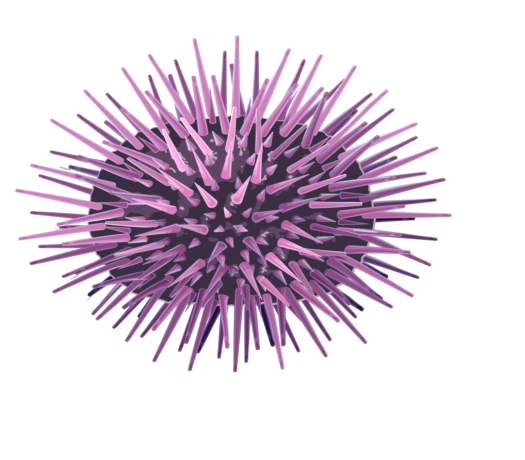
Endocrine Mechanisms of Marine Invertebrate Development
Our research investigates how hormonal signals—particularly thyroid hormones, neuropeptides, and their derivatives—shape cellular, physiological, and morphological processes during embryonic and post‑embryonic development
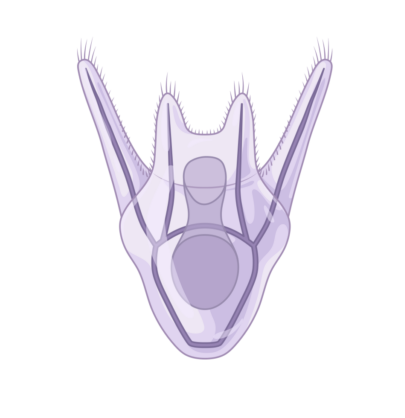
Mechanisms of Life History Evolution
Our research examines the mechanistic basis of this diversity by investigating how environmental cues interact with physiological and molecular pathways to influence life‑cycle strategies.
Microalgae Physiology and Biotechnology
Our research investigates the physiological, metabolic, and ecological traits that make microalgae valuable for water treatment, nutrient cycling, and bioprocess engineering.
Applications of Functional Genomics to Emerging Model Systems
Our lab applies advanced functional genomics approaches to uncover pathways and regulatory networks that shape development, physiology, and environmental responses in non‑traditional model organisms.
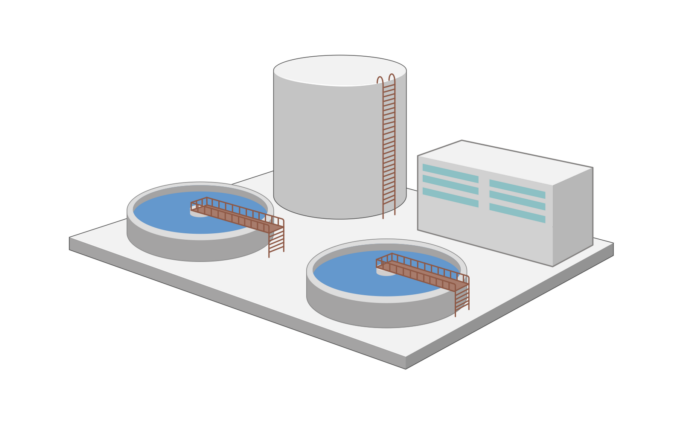
Phytoplankton and Wastewater Treatment
Our research aims to understand how phytoplankton diversity, stress physiology, and community interactions influence water treatment performance.